Introduction
In a city renowned for its eclectic mix of culture, art, and community spirit, Portland, Oregon stands out as a vibrant canvas where creativity flows freely. The streets of Portland are not just corridors for transportation; they are alive with the rhythm of movement, expression, and innovation. This article delves deep into how dance and various dance styles amplify this creative energy in PDX, turning ordinary sidewalks into stages for extraordinary performances. By exploring the intersection of movement and creativity, we aim to uncover the heart and soul of Portland’s artistic landscape.
Unleashing Creativity through Movement in PDX’s Streets
Portland's streets serve as an open studio where artists and dancers can express themselves without constraints. From impromptu performances at Pioneer Courthouse Square to organized flash mobs at waterfront parks, every corner offers a new opportunity for artistic expression. But what does it mean to unleash creativity through movement?
Understanding Movement as Art
Movement is an intrinsic part of human experience; it's how we communicate emotions, ideas, and perceptions. In Portland:
- Dance Styles such as hip-hop, ballet, contemporary, and even traditional folk dances come together to create a rich tapestry of cultural expression. Each style brings its own unique flair and narrative, contributing to a larger dialogue about community identity.
The spontaneity found in street performances often reflects the city's dynamic character—ever-changing yet deeply rooted in history.
Why Dance Matters in Urban Spaces
Dance enhances urban environments by transforming them into living galleries where communities come together. So why is this important?
Community Engagement: Dance encourages individuals from diverse backgrounds to participate in collective experiences. Cultural Identity: Each dance style embodies cultural stories that add depth to the city's identity. Mental Well-being: Engaging with art through movement promotes mental health by providing an outlet for expression.Through these lenses, we begin to understand the profound impact that dance has on both individuals and communities in Portland.
The Evolution of Street Dance in Portland
Roots of Street Dance Culture
Street dance has played a significant role in shaping urban culture across America—and Portland is no exception:
- Historical Overview: The roots trace back to the 1970s when breakdancing emerged alongside hip-hop culture. Local Influence: In the ’80s and ’90s, local collectives began forming dance crews that showcased their skills on street corners and public spaces throughout PDX.
Diversity of Dance Styles
Portland's street dance scene is incredibly diverse:
Hip-Hop Dance
Hip-hop has exploded across PDX's streets with its energetic beats and expressive movements.
Breaking
Breaking remains one of the most iconic elements of street dance culture.
Popping & Locking
These styles bring funk influences that engage audiences in unique ways.
Contemporary Styles
Blending modern techniques with urban expressions allows choreographers to push boundaries creatively.
Each style contributes uniquely to the overall fabric of artistic expression within the city.
The Role of Community Events
Street Festivals as Creative Platforms
Portland hosts numerous festivals that celebrate movement:
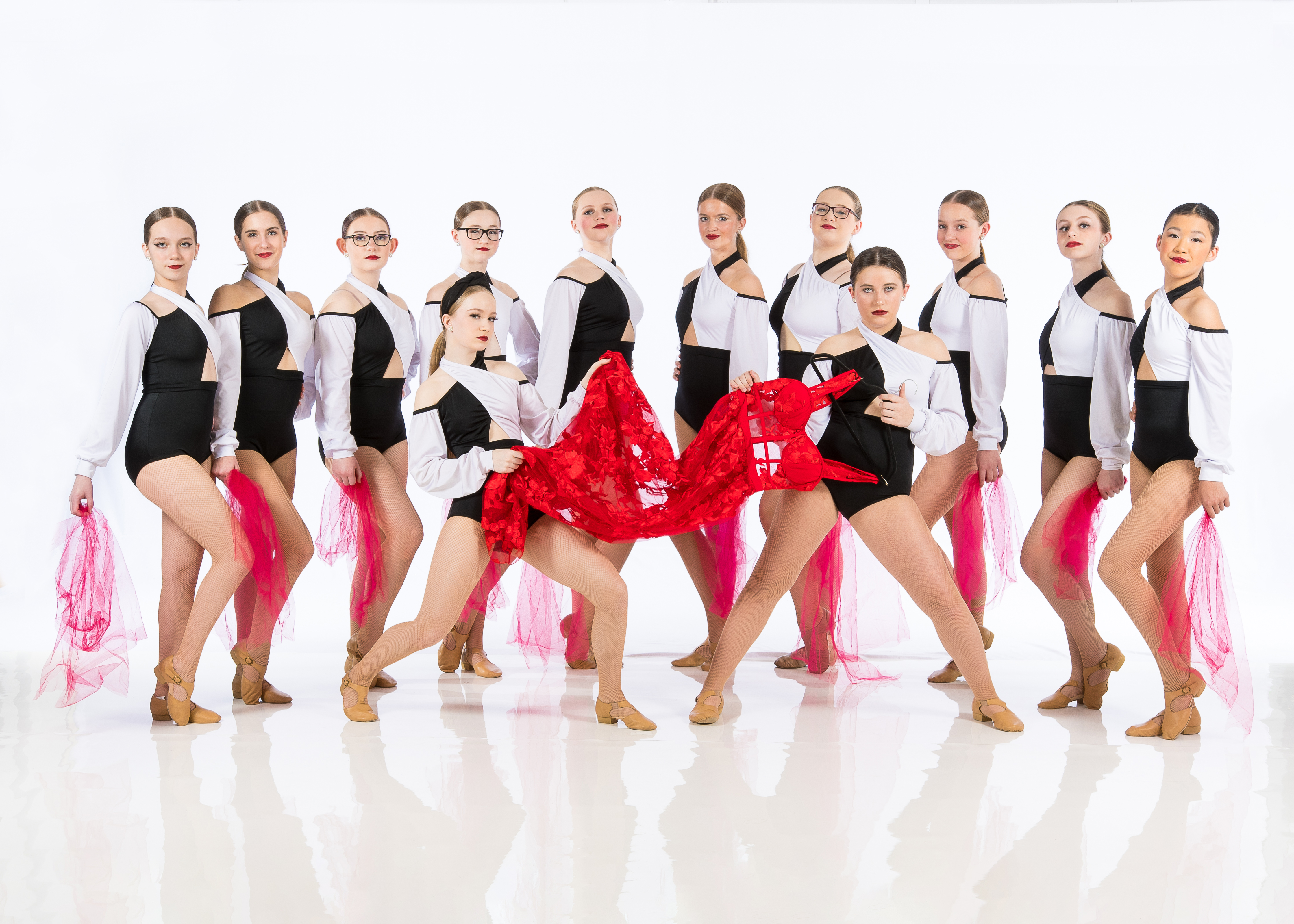
- PDX Dance Festival: A week-long event showcasing local talent across various dance styles. Folk Life Festival: Highlighting traditional dances interwoven with contemporary practices.
These events foster collaboration among artists while enhancing community engagement through shared experiences.
Flash Mobs: Spontaneous Artistry
Flash mobs King City performative dance styles have become a hallmark of urban performance art:
Designed to surprise passersby. Often incorporate popular music or themes relevant to current events. They encourage spontaneous participation from onlookers—which fosters a sense of belonging within the community.Public Spaces as Creative Arenas
Parks and Squares as Performance Venues
Public parks serve as natural amphitheaters for dancers:
- Performances at Tom McCall Waterfront Park draw crowds who appreciate spontaneous artistry. Pioneer Courthouse Square acts as a hub where social interactions happen organically.
Graffiti and Visual Arts’ Connection with Dance
Graffiti art complements dance by creating visual narratives that enhance performances:
- Artists often collaborate by incorporating backdrop murals that resonate with each performance.
This partnership between visual arts and movement amplifies the emotional connection experienced during performances.
The Impact on Youth Culture
Dance Education Initiatives
Several organizations focus on youth engagement through dance education:
Programs teach various styles—empowering kids with confidence while promoting creativity. Opportunities for performing lead youths toward self-discovery through exploration of different movements.Benefits for Young Dancers
- Cultivating discipline Building teamwork skills Encouraging self-expression
By supporting youth initiatives focused on movement-based learning experiences, communities can nurture future generations' creative spirits.
Integration with Technology and Social Media
Social Media’s Role in Spreading Creativity
Platforms like Instagram and TikTok have revolutionized how dancers share their work:
Viral challenges often inspire dancers across cities—creating connections beyond geographical boundaries. Artists use hashtags related to #PDXDanceCulture or #StreetDancePDX—promoting their craft locally while engaging worldwide audiences.This digital dissemination enables artists' innovative expressions reached broader demographics than ever before!
FAQs
1. What types of dance styles are popular in Portland?
Portland boasts a variety of dance styles including hip-hop, breaking, contemporary ballet, jazz funk, salsa, and more! Each brings its unique flavor to the city’s vibrant artistic landscape.
2. How can I get involved in street dancing in PDX?
Getting involved is easy! Look out for local classes or workshops offered by community centers or studios specializing in street dance styles; attending festivals can also provide opportunities!
3. Are there any annual events focused on movement?
Yes! The PDX Dance Festival showcases local talent annually while other events like First Thursday highlight various forms including performance art!
4. Can I perform publicly without permission?
Generally speaking—but always check local regulations regarding permits! Many public spaces welcome spontaneous performances but ensure you respect nearby businesses' operations!
5. Where can I find resources for learning different styles?
Numerous online platforms offer tutorials; however visiting local studios may yield better results due personal instruction!
6. How does dancing contribute positively towards mental health?
Dancing provides an emotional outlet allowing individuals express feelings freely; it helps reduce anxiety levels while boosting overall well-being!
Conclusion
In summation, "Unleashing Creativity through Movement in PDX’s Streets" encapsulates much more than just physical actions—it embodies cultural narratives woven intricately into our daily lives within this vibrant city! As we’ve explored throughout this article—from historical perspectives on street dancing's evolution all way through examining community dynamics—we see how integral these expressions are toward fostering unity among diverse populations seeking solace together amidst chaos outside their realm!
Let us continue celebrating this rich artistic heritage while encouraging future generations embrace their creativity wholeheartedly—after all each step taken creates ripples far beyond what meets eye alone!