Introduction: The Heartbeat of Dance
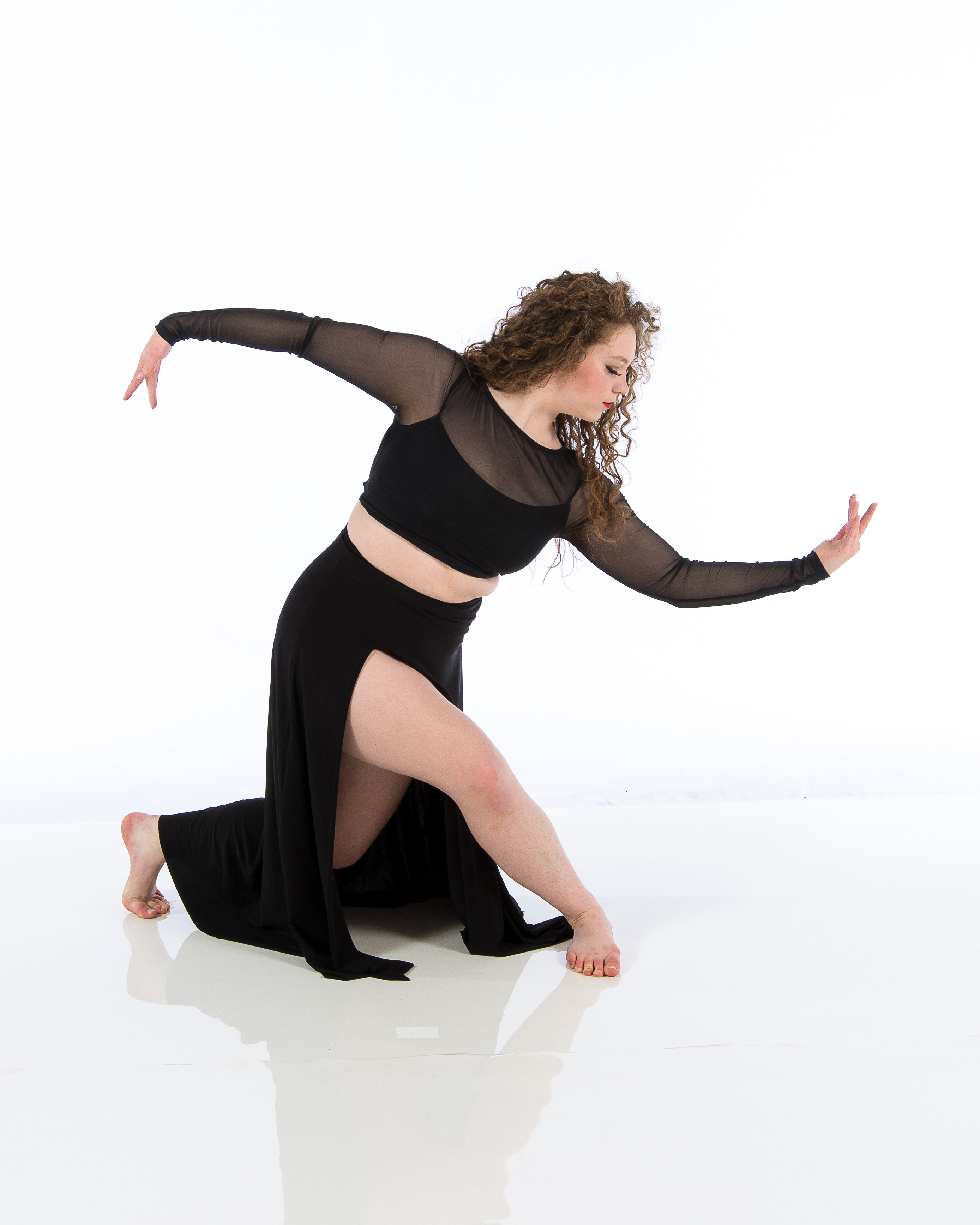
Dance has long been regarded as a universal language, transcending geographical boundaries and cultural divides. But what makes dance resonate with audiences? What elevates a simple sequence of movements into an evocative performance that captures the essence of human experience? The answer lies in one fundamental aspect: emotion. When dancers tap into their emotional reservoir, they create performances that not only communicate but also connect deeply with their audience. In this article, we will explore “The Role of Emotion in Expressive Dancing”, delving into its significance, mechanisms, and how it manifests across various dance forms, from ballet to contemporary styles.
The Role of Emotion in Expressive Dancing
To understand the role of emotion in expressive dancing, we must first define what we mean by expressive dance. This style emphasizes emotional release and communication through body movement rather than mere technical skill. Expressive dancing invites spectators to feel rather than simply observe.
What Is Expressive Dance?
Expressive dance can be characterized as a form that prioritizes emotional expression over technical perfection. Think of it as a narrative told through movement—a story woven with feelings like joy, sorrow, anger, or love.
The Importance of Emotional Connection in Dance
Emotional connection serves as the backbone for any effective performance. When dancers share their emotions authentically, their audience is more likely to engage on a deeper level. This emotional engagement often results in a memorable experience that lingers long after the curtains close.
How Emotions Are Conveyed Through Movement
Dancers employ various techniques to translate emotions into movement:
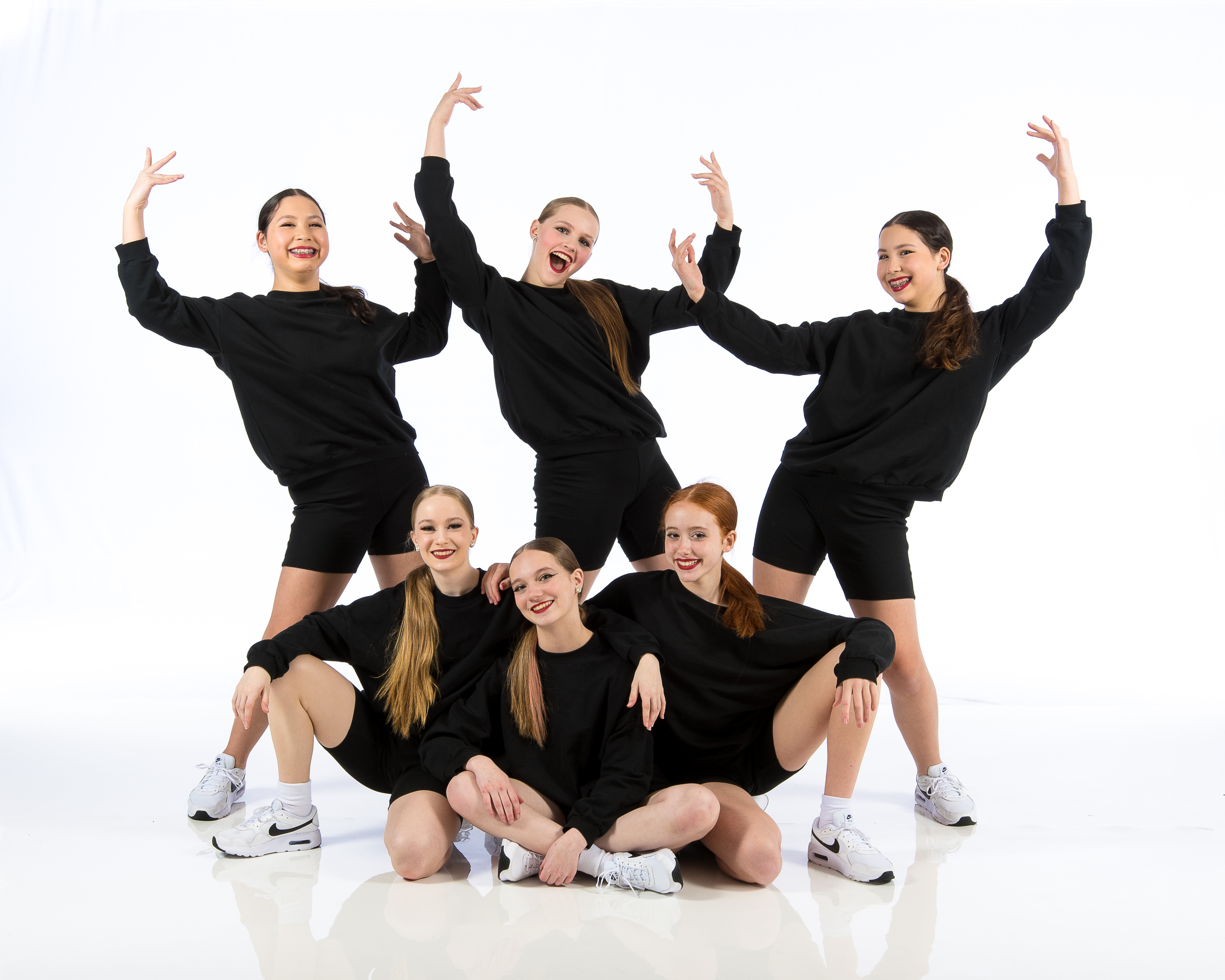
- Facial Expressions: A dancer's face can convey profound emotions through subtle changes. Body Language: The way arms extend or legs move can express different feelings. Use of Space: How dancers interact with their environment often reflects their inner emotional state.
The Psychological Significance of Dance Therapy
Dance therapy is another vital component when discussing emotions in dance. It allows individuals to explore and process feelings through movement, promoting mental health and emotional well-being.
Exploring Different Dance Styles and Their Emotional Expressions
Different dance styles have unique ways of expressing emotion. Here's a closer look at some popular forms:
Ballet: The Precision of Emotion
Ballet is often seen as the pinnacle of technical excellence; however, its emotive depth should not be underestimated.
Technical Mastery Meets Emotional Expression
In ballet, dancers are trained rigorously at institutions like a Ballet Dance Academy. They learn to blend technical precision with the ability to convey deep emotions—think about how ‘Swan Lake’ encapsulates themes of love and betrayal through exquisite movements.
Interpreting Classic Ballets Through Emotion
Classic ballets often tell stories that hinge on complex emotional experiences. For instance:
- In Giselle, themes revolve around betrayal and forgiveness. Romeo and Juliet encapsulates youthful love and tragedy.
Contemporary Dance: Freedom in Expression
Contemporary dance breaks away from traditional structures, allowing for greater emotional freedom.
Fluidity and Raw Emotion
Unlike ballet's structured framework, contemporary dance encourages individual interpretation. Dancers often draw from personal experiences to create pieces that resonate emotionally with audiences.
Improvisation as Emotional Release
Improvised movements allow for spontaneous emotional expression—dancers can react to music or surroundings without preconceived notions.
Hip-Hop: Urban Narratives Unleashed
Hip-hop dancing tells stories grounded in urban culture; it's raw and powerful.
Cultural Contexts Shape Emotion
Each hip-hop piece often reflects social issues such as inequality or celebration within communities, making it an emotionally charged form of dance.
Battling Emotions Through Competition
Competitions encourage dancers to channel their emotions into performances that showcase not just skill but also authenticity.
The Science Behind Emotions in Dance Performance
Understanding the neuroscience behind emotions can provide insights into why expressive dancing affects us so profoundly.
Emotional Contagion: Feeling What Dancers Feel
Research indicates that viewers can experience “emotional contagion,” where they feel the same emotions portrayed by performers—this phenomenon explains why some dances move us deeply while others leave us cold.
Mirror Neurons: A Biological Basis for Empathy
Mirror neurons play a crucial role here; they activate both when we perform an action and when we observe someone else performing it. This biological mechanism helps establish empathy between dancer and audience.
Training Emotions Alongside Technique at Dance Studios
At institutions like the Ballet Dance Studio, students learn not just physical skills but also how to infuse emotions into their performances.
Creating an Environment for Emotional Exploration
Dance studios foster environments where students are encouraged to explore their feelings freely—this exploration is essential for developing authentic performances later on.
Integrating Emotional Training Into Curriculum
Curriculums should include workshops focusing on improvisation and character development which help students understand how to embody different emotions effectively.
Bridging Technique with Emotion in Classes
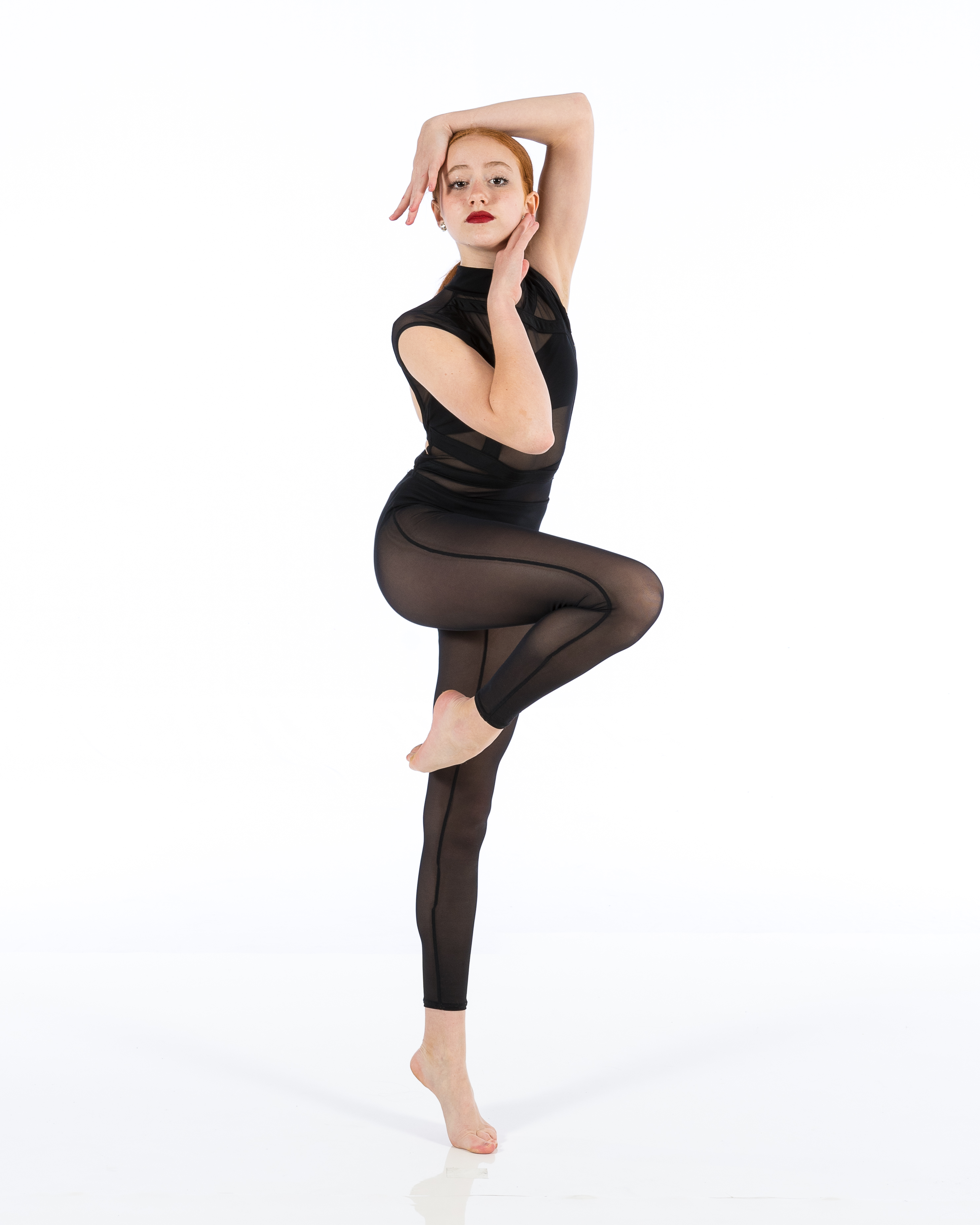
When teaching classes at any Dance Studio, instructors strive to bridge technique with emotion by focusing on storytelling elements within choreography.
Encouraging Personal Interpretation
Allowing dancers to interpret choreography personally can lead to more heartfelt performances; this encourages them to take ownership over their emotional expression.
Emotion Recognition Skills in Dancers
Building emotion recognition skills enhances a dancer’s ability to connect both internally (with themselves) and externally (with their audience).
Developing Emotional Intelligence
Dancers benefit from understanding emotional intelligence—how they manage their own feelings while recognizing those within others during performances.
Feedback Mechanisms Influencing Emotional Growth
Receiving constructive feedback helps dancers identify areas where they can improve not only technically but also emotionally.
Peer Support Systems Enhance Learning
Creating supportive peer environments allows dancers room for vulnerability; this mutual encouragement fosters growth emotionally alongside technique.
Navigating Performance Anxiety Through Emotional Awareness
Performance anxiety is common among dancers; understanding one’s own emotions helps manage these nerves before showcasing artful expressions on stage.
Mindfulness Techniques Aid Performance Readiness
Practicing mindfulness techniques such as breathing exercises enables performers better control over anxiety levels during high-pressure situations.
Artistry Beyond Movement: Analyzing Choreography’s Emotionality
Choreography does not merely consist of steps; it embodies stories steeped in emotion waiting patiently beneath each movement transition.
Expression Through Music Selection
Music selection plays an integral role—certain pieces evoke specific feelings elevating overall performance impact based purely upon auditory stimuli experienced collectively amongst viewers present during shows hosted at venues worldwide!
Evaluating Audience Response Towards Emotive Dancing
Audience reactions vary greatly based upon how successfully performers convey dance studio intended sentiments throughout entire routines presented live!
Utilizing Surveys Post-Performance Insights Gathering Analysis Results!
Surveys offer invaluable data regarding what worked well versus areas needing improvement enabling future adaptations yielding even greater emotive resonance!
The Evolution Of Expressive Dance Over Time
From classical roots emerging centuries ago evolving into modern interpretations today—the journey illustrates society's shifting perspectives surrounding emotion expressed through artistic mediums!
Cultural Context Shaping Evolutionary Pathways Throughout History!
Examining historical contexts provides insight into varied interpretations influencing current trends observed globally today!
Future Trends In Emotive Dancing Within Contemporary Society!
As society continues evolving rapidly so too does our understanding regarding importance placed upon embracing authentic self-expression showcased beautifully via various forms including ballet contemporary hip-hop jazz etc…
Technology Integration Enhancing Experiences While Preserving Authenticity!
Emerging technologies could reshape future interactions blending physical realities experienced alongside digital realms expanding possibilities previously unimagined!
FAQs
Why is emotion important in dance?
Emotion enriches performance quality by creating connections between performer and audience ensuring memorable experiences occur every time one steps onto stage!
How does expressive dancing differ from other styles?
Unlike technically focused genres like ballet which prioritize precision expressiveness prioritizes conveying feelings above all else fostering creativity individuality!
Can anyone learn expressive dancing?
Absolutely! While some may naturally possess stronger abilities tapping into felt experiences anyone willing practice commitment develop this skill set over time!
Is there a specific training method for developing emotion-based skills?
Many courses emphasize improvisation storytelling techniques ultimately enhancing overall artistry cultivated within studios across disciplines!
What role does music play within expressive dancing?
Music shapes atmosphere influences movements selected thus serving fundamental importance throughout process aiding communication efforts made visible upon stage!
How do rehearsals contribute towards mastering emotive performance styles?
Consistent practice builds confidence allows performers refine interpretations gradually leading towards authentic expressions communicated effectively during final showcases!
Conclusion
In conclusion, the role of emotion in expressive dancing cannot be overstated—it breathes life into choreography while forging connections between performers audiences alike! Institutions such as Ballet Dance Studios or Dance Studios emphasize nurturing both technical talents alongside cultivating meaningful connections through emotive engagement allowing artists flourish creatively whilst resonating profoundly across diverse cultures backgrounds globally united under shared appreciation artistry expressed beautifully via body movement!