Introduction
In the vibrant world of dance, where rhythm and movement intertwine, engaging with fellow dancers is more than just a social nicety—it's a cornerstone of growth, creativity, and community. Whether you're a seasoned performer or a novice stepping into your first dance studio, understanding how to interact meaningfully with your peers can significantly enhance your experience. This article, titled Start Strong! The Do's of Engaging with Your Fellow Dancers, aims to provide you with actionable insights and expert advice on how to foster connections that will elevate not only your performance but also the overall atmosphere of your dance environment.
Dance studios are often bustling hubs of creativity and collaboration. In this article, we'll explore essential do's for building strong relationships within this dynamic setting. From initiating conversations to providing constructive feedback, every interaction shapes the dance community you belong to. So, let's dive in!
Start Strong! The Do's of Engaging with Your Fellow Dancers
Understanding the Importance of Community in Dance
Engagement in dance isn’t just about learning steps or perfecting techniques; it’s about forming bonds that enrich the overall experience. A strong community fosters:
- Support: Encouragement during tough times enhances resilience. Creativity: Collaboration sparks innovation and new ideas. Learning: Sharing tips and techniques helps everyone improve.
Building connections within your dance studio creates an environment where everyone feels valued and motivated.
Do: Introduce Yourself Warmly
When entering a new dance class or studio, one of the simplest yet most effective ways to engage is by introducing yourself warmly.
- Smile: A genuine smile opens doors. Eye Contact: Establishing eye contact shows confidence and interest. Listen Actively: Pay attention when others introduce themselves; it demonstrates respect.
Why Warm Introductions Matter
Warm introductions pave the way for future interactions. They make you memorable and set a positive tone for collaborations ahead.
Do: Participate in Group Activities
Dance studios often host group activities beyond regular classes—workshops, performances, or social events.
- Get Involved: Show enthusiasm by participating actively. Volunteer: Help organize events; it helps build rapport. Engage Outside Classes: Attend social gatherings to connect on a personal level.
The Value of Group Dynamics
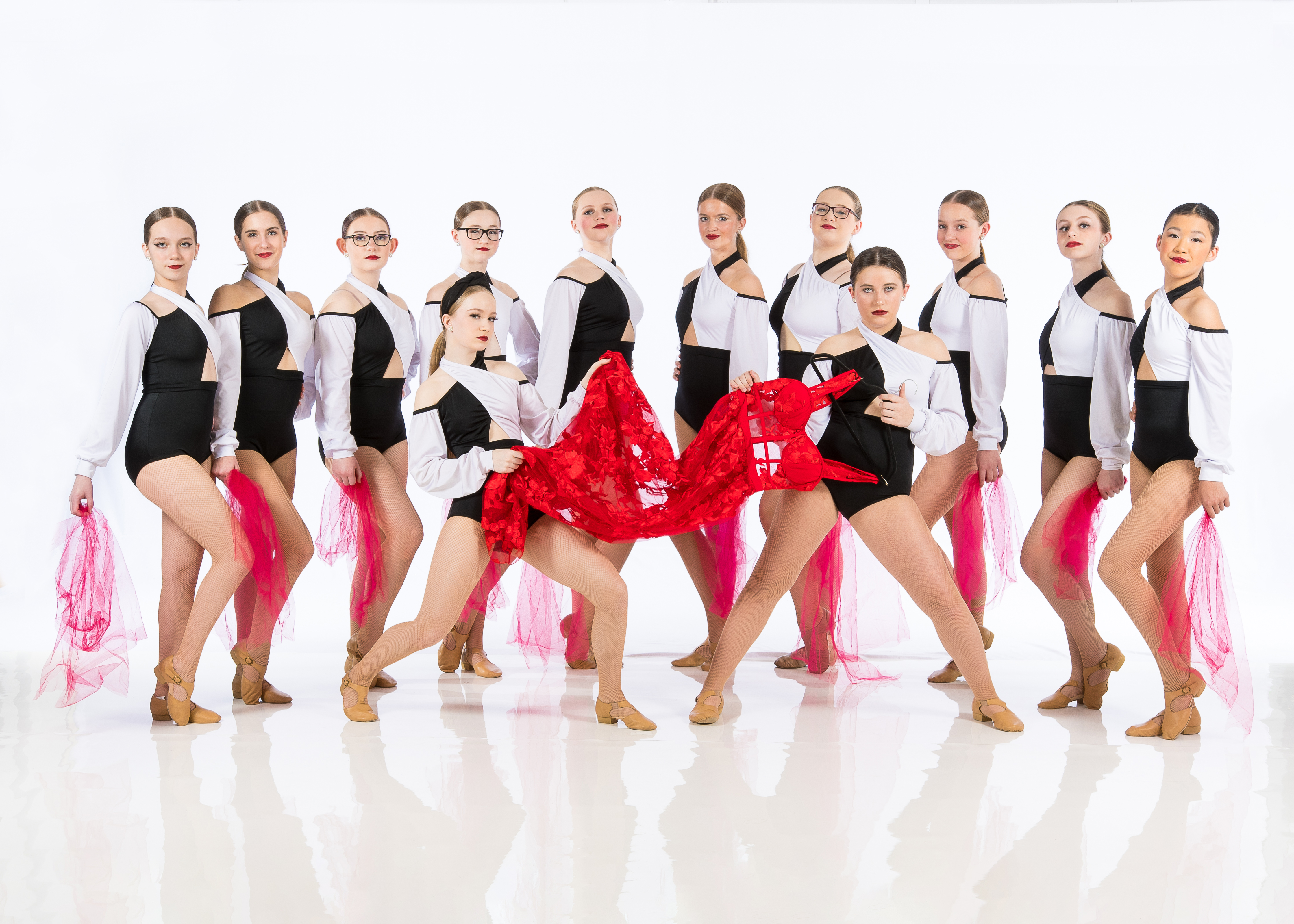
Participating in group activities strengthens bonds among dancers and provides opportunities for teamwork—an essential aspect in any performance setting.
Do: Offer Constructive Feedback
Feedback is crucial in any learning environment. Providing constructive feedback helps foster improvement while maintaining positive relationships.
- Be Specific: Instead of vague comments like "good job," focus on what worked well or what could be improved. Use "I" Statements: Frame feedback from your perspective (e.g., “I noticed…”).
Creating an Atmosphere of Growth
By offering constructive criticism thoughtfully, you contribute positively to your peers' development while reinforcing trust within the community.
Do: Celebrate Achievements Together
Whether it's mastering a difficult routine or simply showing up consistently at practice, celebrating achievements fosters camaraderie.
- Acknowledge Efforts: Recognize individual accomplishments openly. Create Rituals: Establish traditions for celebrating milestones within your dance studio community.
The Power of Celebration
Celebrating together builds morale and strengthens bonds within the group—making everyone feel appreciated boosts motivation across the board.
Do: Be Inclusive
In any dance studio setting, inclusivity ensures everyone feels welcome regardless of skill level or background.
- Encourage Participation from Everyone: Invite quieter members to share their thoughts. Avoid Cliques: Make an effort to engage with all members rather than sticking with familiar faces.
Fostering Diversity
An inclusive environment promotes diversity in styles and ideas—enriching the overall experience for everyone involved.
Do: Respect Personal Space
While engaging is essential, respecting personal space is equally important in a dance studio setting where physical closeness can vary greatly among individuals.
- Be Mindful During Classes: Maintain appropriate distances unless necessary for partnering work.
Finding Balance
Respecting personal boundaries helps maintain comfort levels while allowing interactions that promote growth.
Frequently Asked Questions (FAQs)
1. What if I'm shy about introducing myself?
It's normal to feel shy initially. Practice what you'd like to say summer dance class beforehand and start small by greeting one person at a time until you gain confidence.
2. How can I find common ground with other dancers?
Ask questions about their favorite styles or recent performances; shared interests often serve as excellent conversation starters!
3. Should I give feedback even if I'm not an expert?
Yes! As long as it's constructive and comes from a place of support, sharing observations can benefit both parties regardless of skill level.
4. What if someone is unresponsive during social events?
It might not be personal; they may be shy too! Try initiating light conversations about neutral topics before diving deeper into preferred styles or experiences.
5. How do I deal with conflicts among fellow dancers?
Address conflicts privately and calmly; communicate openly without assigning blame—focus on finding solutions together instead!
6. Is it acceptable to ask for help from experienced dancers?
Absolutely! Most experienced dancers appreciate being asked for advice—it reflects respect towards their skills while fostering deeper engagement between peers!
Conclusion
Engaging with fellow dancers can transform your experience within a dance studio from ordinary to extraordinary. By following these do's—from warm introductions to celebrating achievements—you’ll not only enhance your journey but also contribute positively to those around you. Remember, every dancer brings unique talents and perspectives that enrich the collective experience; nurturing these connections leads us closer toward achieving our individual goals while uplifting our entire community along the way!
So go ahead—start strong! With these insights under your belt, you're well-equipped to engage meaningfully with every dancer you meet along this exciting path!