Summer changes a dancer's clock. Days extend, schedules loosen, and with the right intention, development that usually takes months can occur in weeks. I have enjoyed dancers jump a degree between June and August, not due to skill alone, but due to the fact that summer produces the problems that major training needs: focused time, regular responses, and the liberty to involve without the sound of an academic year. Done well, summer classes are not simply busier training. They are a calculated reset that fine-tunes technique, grows creativity, and constructs the unteachable high quality every phase adores: presence.
Why summer season magnifies gains
The difference is density. Throughout the year, professional dancers zigzag between academics, practice sessions, and social pulls. Technique courses stay in the margins. In summer, the margins vanish. You move daily, in some cases two times a day, in a rhythm that lets neuromuscular patterns lastly stick. The body thrives on repeating, but not brainless loops. It requires well-sequenced repeating with incremental complexity, and summertime schedules provide precisely that, especially in programs that balance course kinds with intelligent progression.
There is likewise recuperation. Without late-night studying or rushed meals, your power budget plan shifts. When professional dancers rest a complete 8 or nine hours, moisturize properly, and eat with intention, I see cleaner pirouettes and quieter landings within a week. You can not separate technique from physiology, and summertime lets you straighten both.
The last advantage stays in attention. Faculty in summertime intensives enjoy you extra very closely due to the fact that they see you more often, and because friends are curated. An adjustment offered on Monday can be reviewed on Tuesday, after that pierced on Wednesday. That loophole is where self-confidence grows. It's not a vague glow; it's a brochure of evidence that your body recognizes what you're asking it to do.
Designing a summer season that accelerates your Dance Training
Not all summer classes are produced equal. If your goal is velocity, seek programs or build your own timetable with a blend of three aspects: grounding, expansion, and assimilation. Basing builds the technical back, expansion pushes range and design, and integration knits every little thing together on musical and performance terms.
Grounding starts with method courses that appreciate placement. Daily ballet or a codified modern-day strategy provides consistency for yield auto mechanics, pelvic positioning, scapular stability, and foot articulation. You want teachers who explain the why under the what. If an educator tells you to "lift the hip points" without showing you exactly how that interacts with your ribs and breath, you are getting choreography for position, not technique.
Expansion comes from additional Doty Performance Dance training forms. Contemporary for floorwork proficiency and weight play, jazz for rate and vibrant contrast, hip jump for grounded groove and timing, faucet for rhythmic clearness, Pilates or Gyrotonic for core intelligence, and safe cross-training to sustain power without mass. Designs pull on different coordination patterns, which increases brain-body mapping. It likewise stops overuse by changing force vectors throughout the week.
Integration appears in arsenal, improvisation, and musicality. You require a place where modifications obtain examined under imaginative pressure, since method that only exists at the barre or center isn't prepared for stage conditions. Summertime repertory laboratories, companion job, and coached run-throughs compel you to arrange technique while breathing, carrying out, and choosing.
The first two weeks: where the reset happens
The first 2 weeks of a summer season program identify the arc of your progression. This is where you replatform your method, and the choices you make here substance. I often suggest dancers to deal with week one as analysis. Notice where you fatigue first, which modifications repeat, where you grasp, and where you collapse. Do not deal with every little thing at once. Pick two technical priorities and one artistic concern for the week. For instance, you might pick pelvis stability in adagio and controlled foot pressure in turns, coupled with a musicality focus on breath phrasing.
Week 2 ought to layer quantity slightly, however not recklessly. If you began with one technique class plus one supplementary class per day, include a focused method block of 20 to half an hour where you rehearse the morning's improvements at low strength. Because block, rep is money. 5 conscious piqué transforms with the exact same prep work, same spot, same foot stress will surpass 20 spread shots. Keep your nerve system calm, not going after speed.
I have actually seen dancers transform fouettés in two weeks by removing them to structures: sluggish passé to relevé without the whip, after that adding a tiny whip with the arms only, then layering turnout and press from the floor, then lastly pace. The trick is perseverance with progression and crisp self-observation. Video clip your method, research study framework by framework, and contrast what you believe you're making with what's visible.
The function of everyday ballet, even for business dancers
Some withstand ballet in summertime, arguing it slows down or tightens variety. Used dogmatically, it can. Utilized intelligently, it arranges motion and develops options. Business dancers who maintain one day-to-day ballet or an ordered method class find their grooves land cleaner, their shapes visualize quicker, and their transitions find out more pricey. Consider ballet as a grammar. It does not determine your tale, but it ensures your sentences have structure and clarity.
Prioritize instructors who accept modern bodies and designs, and who educate turnover securely. Cueing that opportunities neutral pelvis, axial size, and useful yield from the deep rotators will certainly protect knees and hips throughout styles. The goal is not the visual of ballet alone; it's the effectiveness ballet can grant to every kind of Dance Training.
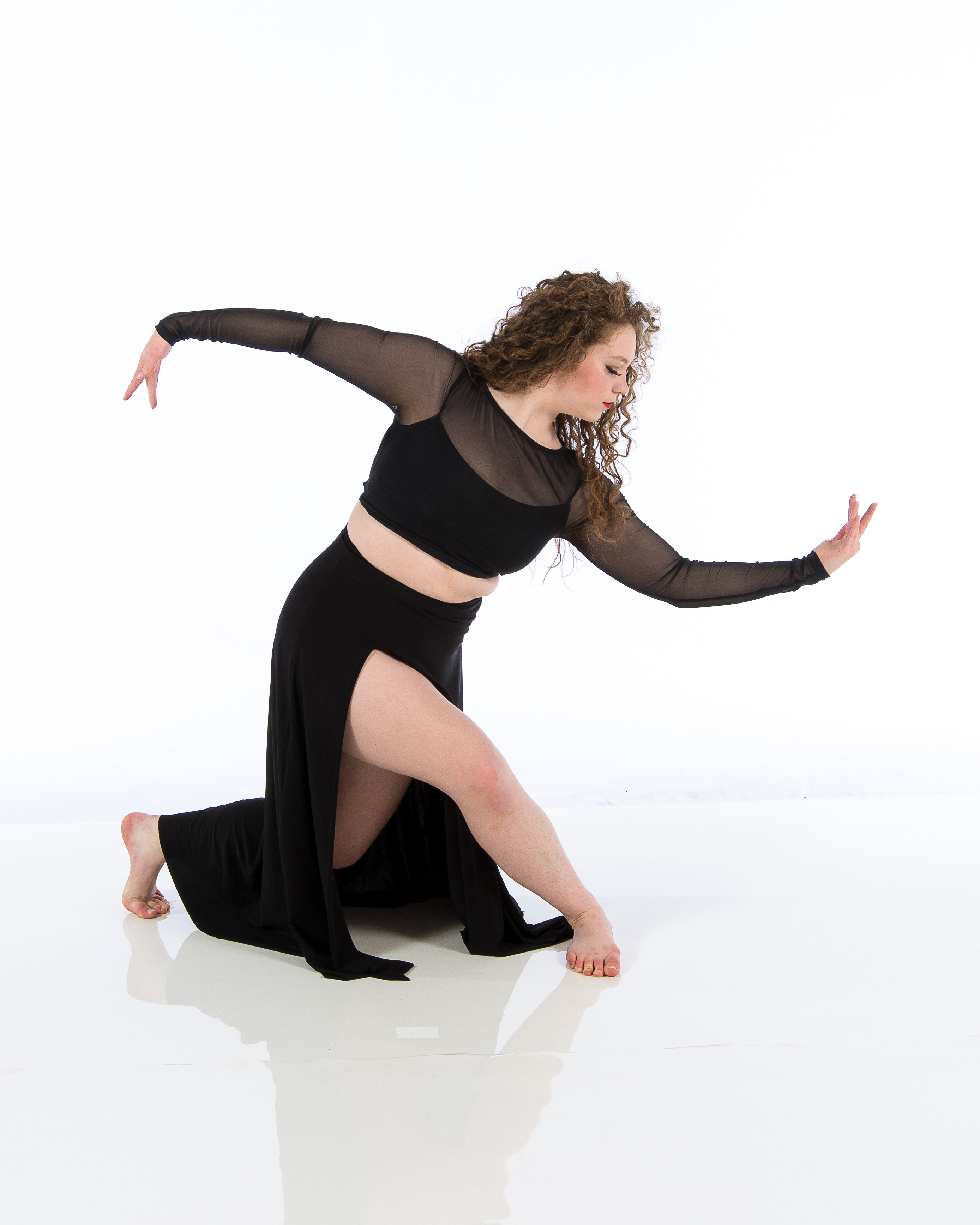
Coaching guts: exactly how confidence in fact grows
Confidence is not invoked by praises. It expands from capability under pressure. Summertime offers numerous low-stakes phases: workshop provings, in-class reviews, professors monitoring days. Instead of chasing after perfection, treat each revealing as a lab. Pick a single efficiency intention per run, such as "lead with backspace" or "express the emphasize" or "commit to the downbeat." After that, write one sentence regarding what you felt and one observable modification observed by a peer or instructor. Repeat. The log becomes a data path that your brain uses to anticipate success, which is the fastest remedy to pre-show nerves.
I as soon as trained a 16-year-old that shivered in solos. Over 6 weeks, we really did not chase after a perfect variant. We constructed a ritual: she named one technical support (breath matter for the opening phrase), one creative choice (intention via the eyes on the angled), and one healing strategy if a turn wobbled (departure clean, return to on the next matter). By the last showing, the trembling faded. She trusted her plan greater than she feared a slip.
The micro-skills that move the needle
Serious gains hardly ever originate from basic advice. They originate from micro-skills, drilled up until automatic.
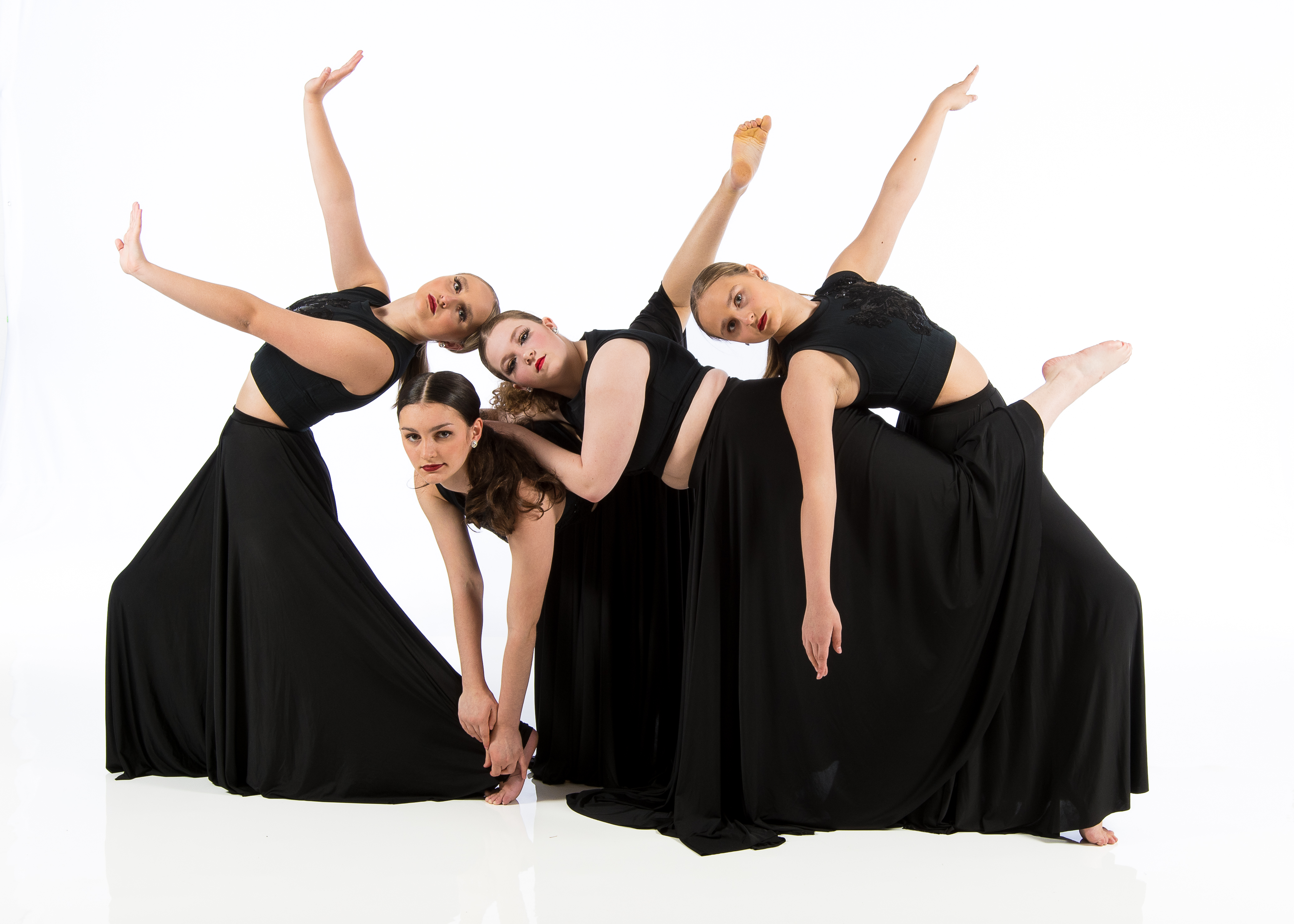
- Turn prep work proficiency: Fifty percent the fight is exactly how you established. Systematize the last 2 matters before any turn. Same breath, same weight transfer, same spot. If you vary the tale each time, your vestibular system can not learn. A summer season of the same preparations has actually offered dancers clean triples who defended increases all spring. Foot stress mapping: A lot of professional dancers either claw the flooring or skim it. Map the tripod of the foot in sluggish surges and in tendus. Picture a soft wheel under the sphere of the big toe rolling onward, with the 5th met head secured. Technique quick relevés with no heel slam on descent. Quieter feet are not just quite; they are much more stable. Pelvic stillness under tons: The hips is a translator. In adagio, maintain the crest line degree while relocating the thigh head freely in the socket. Utilize a mirror sparingly and responsive cueing more. 2 fingers on the ASIS while lifting the leg can instruct you more than another "hold your core" cue. Breath timing: Several dancers hold breath by crash during balances and leaps. Designate breath counts to expressions so breathing comes to be music, not unexpected. Your equilibrium will certainly enhance because the mind stops flagging oxygen financial debt as a threat. Eye line as conductor: Where you look shapes proprioception and dynamics. Train your eyes to lead direction changes, not follow them. It seems cosmetic. It is not. Fast direction modifications maintain when the eyes get on time.
Cross-training selections that respect the dancer's body
Summer invites supplemental stamina. Pick devices that include capability without taking wheelchair or line. Pilates reformer, tower job, and bodyweight circuits that emphasize eccentric control are high value. Light kettlebell deadlifts for joint pattern, single-leg RDLs for posterior chain balance, and grouped lateral walks for hip security can be integrated effortlessly. Maintain tons modest, reps in the 6 to 10 array when discovering, and prevent failure collections throughout hefty dance weeks.
Mobility is not just extending. It is range controlled. PNF techniques for hamstrings and hip flexors, end-range lifts for turnover potter's wheels, and thoracic back turning drills sustain strategy. Static oversplits might look attractive, yet they can undercut if you do not have energetic control through mid-range. Focus on drills that allow you possess the shape.
For heart wellness and endurance, pick low-impact periods a couple of times per week. An attack bike, rower, or swimming pool sprints build ability without punishing joints. Keep sessions short, 12 to 20 mins, with different work-to-rest ratios so you can adjust to choreography demands.
Injury-proofing while you accelerate
Increased lots raises danger. Managing it belongs to professional discipline. Soreness is not a medal. It is details. If a ligament whines with sharp or localized pain that warms up after that attacks again later on, withdraw and modulate volume. Small niggles disregarded in week 2 end up being bench time in week five.
Hydration and electrolytes make a noticeable difference in touchdowns and focus, especially in hot studios. Go for a baseline of fifty percent your bodyweight in ounces of water daily, after that add 16 to 24 ounces around heavy sessions. Include sodium, potassium, and magnesium, either using food or a balanced supplement, to maintain constraining at bay.
Sleep is your best supplement. Nine hours is not indulgent during extensive weeks; it is gas. Piling two-a-days on 6 hours of sleep turns your strategy lab right into a stress test. If you should pick between an additional combination course and sleep, select rest one or two times a week. The next day's course will certainly pay off you.
Faculty matters more than facilities
Beautiful workshops and branded intensives are appealing, but the alchemy of your summertime resides faculty who care, remember, and teach you, not just the space. I prefer to see a dancer invest four weeks with a mid-size program that provides consistent, personalized improvements than chase after a status logo design where they are a number in the back.
Watch trial courses or past video clips. Listen for signs that expose anatomical proficiency. Educators who demonstrate numerous paths to an adjustment program much deeper understanding. If every note is visual with no functional map, progress will certainly stall. Ask how the program measures growth. Some keep written correction logs or revolve professors for targeted responses. Those structures accelerate learning because they close the loop.
Building your personal adjustment bank
Dancers who increase swiftly deal with modifications like money. They gather, organize, and revisit them systematically. After course, write three things: one alignment sign that changed a feeling, one sychronisation sign that enhanced an action, and one musical sign that changed the phrase. Keep a running log by category: turns, adagio, allegro, floorwork, partnering.
Every three days, pick 2 products from the log and rehearse them in your 20-minute technique block. Shut your eyes for component of it to refine proprioception. After that resume and confirm in the mirror or on video. This rhythm transforms stray advice right into a steady system. By August, you are no longer guessing what to deal with; your log determines it.
The high-end of purpose: dealing with summertime like a residency
In elite business, residencies exist to grow craft far from exploring and public stress. Your summertime can function the same way, scaled to your life. Treat your training day with that seriousness. Get here early adequate to roll, prime the feet and hips, and wake your ribcage. After class, cool intentionally: a short parasympathetic breath sequence, mild joint flossing, and a tiny protein-forward meal within 60 mins. This rhythm signals to your body that it is safe to adapt.
Carry on your own in between classes with a calmness that supports emphasis. Social power has its place, however if every break is a loud sprint, you spend recuperation spending plan on chatter. Curate your soundtrack, your treats, your journal, your apparel so the day feels curated, not chaotic. Deluxe, in training terms, is not luxury. It's comprehensibility. When the pieces fit, your method looks inevitable.
Balancing style diversity with technological integrity
Summer welcomes tasting. That is healthy and balanced, but grazing without food digestion gives you surface-level knowledge, not depth. If you include new designs, commit for enough time to personify their auto mechanics. Contemporary floorwork needs spine fluidity and a convenience with off-center energy. Take a collection of courses with the exact same educator for two weeks so your body remembers their syntax. Jazz asks for crisp seclusions and attack. Exercise the very same across-the-floor for a number of days to hone timing. Hip jump asks for groove possession and weight on the beat. That takes daily repetition in tiny expressions, not one uniqueness class every couple of days.
Protect your technological spinal column while you discover. If a class pushes range in ways that aggravate joints, modulate shapes without apology. Professionals adapt choreography to their bodies at all times. The creativity remains in the choice, not in self-sacrifice.
Nutrition as an efficiency side, not a punishment
Summer typically tempts extremes: limiting eating for lines, or disorderly snacking between back-to-back classes. Neither supports performance. Anchor each training block with carbohydrates and protein. Assume Greek yogurt and fruit before morning class, a rice bowl with salmon and veggies at lunch, a smoothie with milk, banana, and peanut butter between sessions, and an actual dinner abundant in high quality protein and color.
Aim for a minimum of 1.6 to 2.2 grams of healthy protein per kilogram of bodyweight when training intensively. Disperse it across the day, not just during the night. Carbs are not the opponent; they are the choreography of power. Focus on easy-to-digest options prior to class and fiber-rich vegetables far from intense sessions. If warmth and cravings clash, lean on liquids: drinkable yogurts, blended soups, and smoothies.
Audition preparedness as an all-natural byproduct
Some treat summer season as an audition bootcamp. That way of thinking can backfire by surging anxiousness. The best tryout preparation is exceptional day-to-day Dance Training experienced under stress. If your summer season includes repertory showings, simulated tryouts, and cam days, you will certainly arrive in the loss seasoned. Utilize these moments to evaluate your entry, your slate, the means you pick a downstage mark, how promptly you get directional adjustments. Refine the small expert details: an added pair of shoes ready, hair that stays put with floorwork, a warm-up that does not sprawl right into the hallway.
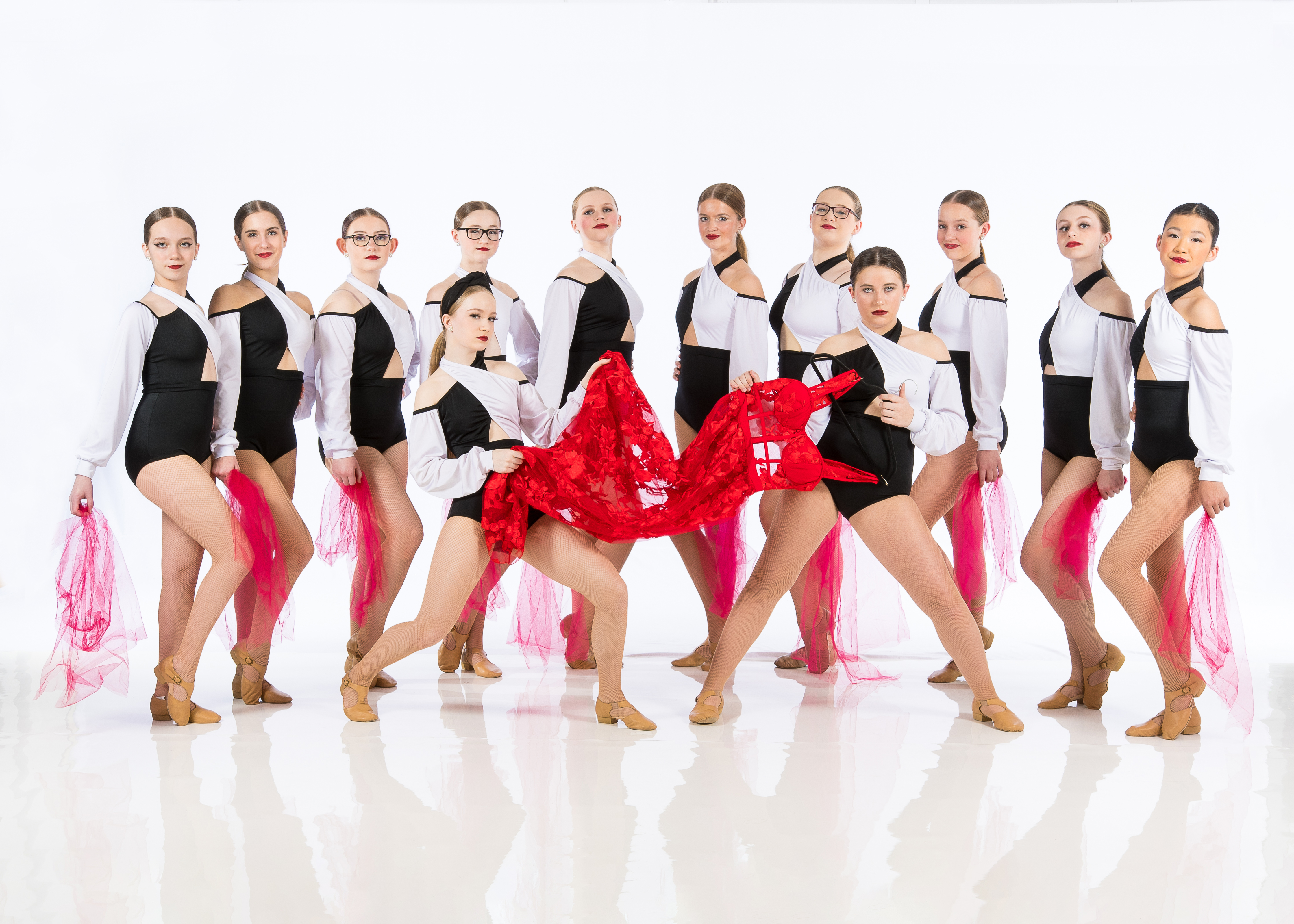
Confidence grows when your process really feels repeatable. When a panel states "again," your mind ought to hear "we know this."
Parents and guardians: exactly how to support without suffocating
For younger dancers, the environment around them can amplify or drain development. The very best assistance looks burning out from the outside. It is trusted trips, nutrient-dense grocery stores, washing that turns quickly, a silent corner for journaling, and conversations that ask, "What did you learn today?" not "Were you the best?" Appreciation effort, emphasize particular improvements you discovered, and assist them secure rest. If a program keeps late hours, supporter for one light day each week. Overprotecting injures, yet so does contracting out all choices to a teenager mind that assumes it is unyielding. Guide the container, allow them own the craft.
When to draw back, and when to lean in
Acceleration is not direct. You will hit a mid-summer plateau around week 3 or 4. This is regular. Your nervous system is rearranging. Lean right into basics for 2 days rather than adding a new course. Sleep an additional hour. Boost hydration. Often, the innovation comes two days later. If it doesn't, obtain targeted responses from a teacher you trust. Request for one workout to attend to one problem, after that pierce it daily for a week. Prevent need to revamp everything.
Pull back instantly if discomfort adjustments your movement pattern. There is no badge for gritting via a brewing tension response. Unload with swimming pool job, upper-body conditioning, or musicality drills. Keep the regimen of training while removing the insult to the cells. This protects confidence while you heal.
An example week that respects art and anatomy
Here is a balanced five-day framework that several innovative teens and pre-professionals take care of well throughout summertime. Get used to your degree and recovery.
- Morning: 30-minute workout, 90-minute technique (ballet or modern), 15-minute cool-down. Midday: 60-minute extra stamina or Pilates on two days, contemporary or jazz course on three days. Afternoon: 90-minute repertory or make-up lab, 20-minute personal practice block for micro-skills. Evening: Gentle flexibility or breathwork, then off displays an hour before bed.
Weekends revolve between complete rest and light play: a swim, a stroll, a museum, real-time music. Art feeds art. Your dancing boosts when your detects are nourished.
The quiet transformation
The charm of summer training is exactly how silently it transforms you. The initial week, you will certainly observe sore calf bones and tighter buns. The second, your balance steadies. By the third, educators begin using you as a demonstration regularly. In the fourth or 5th, you go down right into phrases with a self-confidence that seems like brand-new skin. The strategy is actual, however the deeper change is in just how you carry on your own. You learn that you can ask your body for even more and it addresses. You discover that training is a gift, not a judgment. You learn that luxury in dance is the benefit of time spent with care.
Come September, you will certainly not need to announce your growth. It will certainly receive the way you get in a room, in the sound of your landing, in the calm of your spot. That is what five or six weeks of intentional, well-structured summertime courses can provide. Not magic. Not good luck. Just the person, splendid acceleration that takes place when training is dealt with as craft, and your days are set up to recognize it.
Business Name: Doty Performance Website: https://www.dotyperformance.com/ Phone: +1 (503) 822-5276 Address: 20345 SW Pacific Hwy #306, Sherwood, OR 97140, United States About Doty Performance: Doty Performance is a dance studio in Sherwood, Oregon that offers a variety of dance programs for all ages and levels of dancers. We have classes for Ballet, Tap, Jazz, and Hip-Hop. So if you are looking for a dance studio near me that welcomes all skill levels, ages, and genders, look no further than Doty Performance dance studio.